






























Understanding Hydrogen Sulfide
Hydrogen Sulfide (H₂S) is a colorless, highly toxic gas recognized by its characteristic “rotten egg” odor. It is commonly generated through the breakdown of organic matter in the absence of oxygen and is frequently encountered in wastewater treatment facilities, landfills, oil and gas operations, industrial manufacturing, pulp and paper processing, and agricultural applications.
While low concentrations of hydrogen sulfide can produce a strong odor, higher concentrations can rapidly impair the sense of smell, making the gas particularly dangerous because workers may no longer be able to detect its presence. Exposure to elevated H₂S levels can cause eye, nose, and throat irritation, respiratory distress, loss of consciousness, and, in severe cases, death.
Hydrogen sulfide is also a significant nuisance odor pollutant and is regulated in many jurisdictions worldwide due to its impact on community air quality and public health. Although H₂S is not one of the six criteria pollutants regulated by the U.S. EPA, many state, provincial, and local agencies have established ambient air standards and monitoring requirements.
Accurate hydrogen sulfide monitoring is essential for protecting workers, surrounding communities, and the environment while supporting compliance with project-specific monitoring requirements.
Protect people, manage odor, meet compliance
Hydrogen sulfide emissions can originate from:
- Wastewater treatment plants
- Sewer networks and lift stations
- Landfills and waste management facilities
- Oil and gas production sites
- Agricultural and livestock operations
- Pulp and paper mills
- Industrial manufacturing facilities
- Composting operations
Continuous and portable H₂S monitoring helps:
- Protect worker health and safety
- Detect leaks and elevated concentrations early
- Manage nuisance odor complaints
- Support environmental compliance programs
- Demonstrate regulatory compliance
- Protect nearby communities from exposure
- Provide real-time data for informed decision-making
Specto Technology partners with Aeroqual to deliver reliable hydrogen sulfide monitoring solutions for both ambient environmental monitoring and industrial health and safety applications.
Ambient Hydrogen Sulfide Monitoring
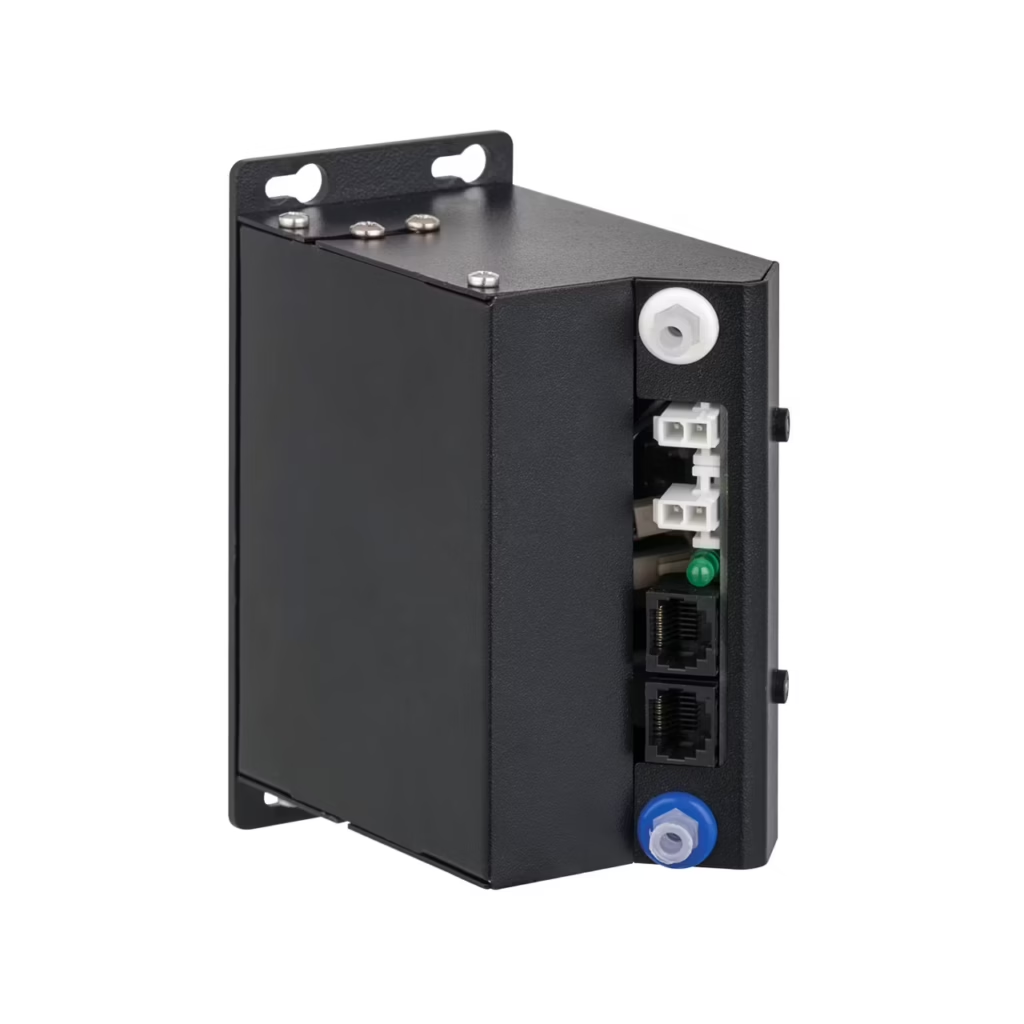
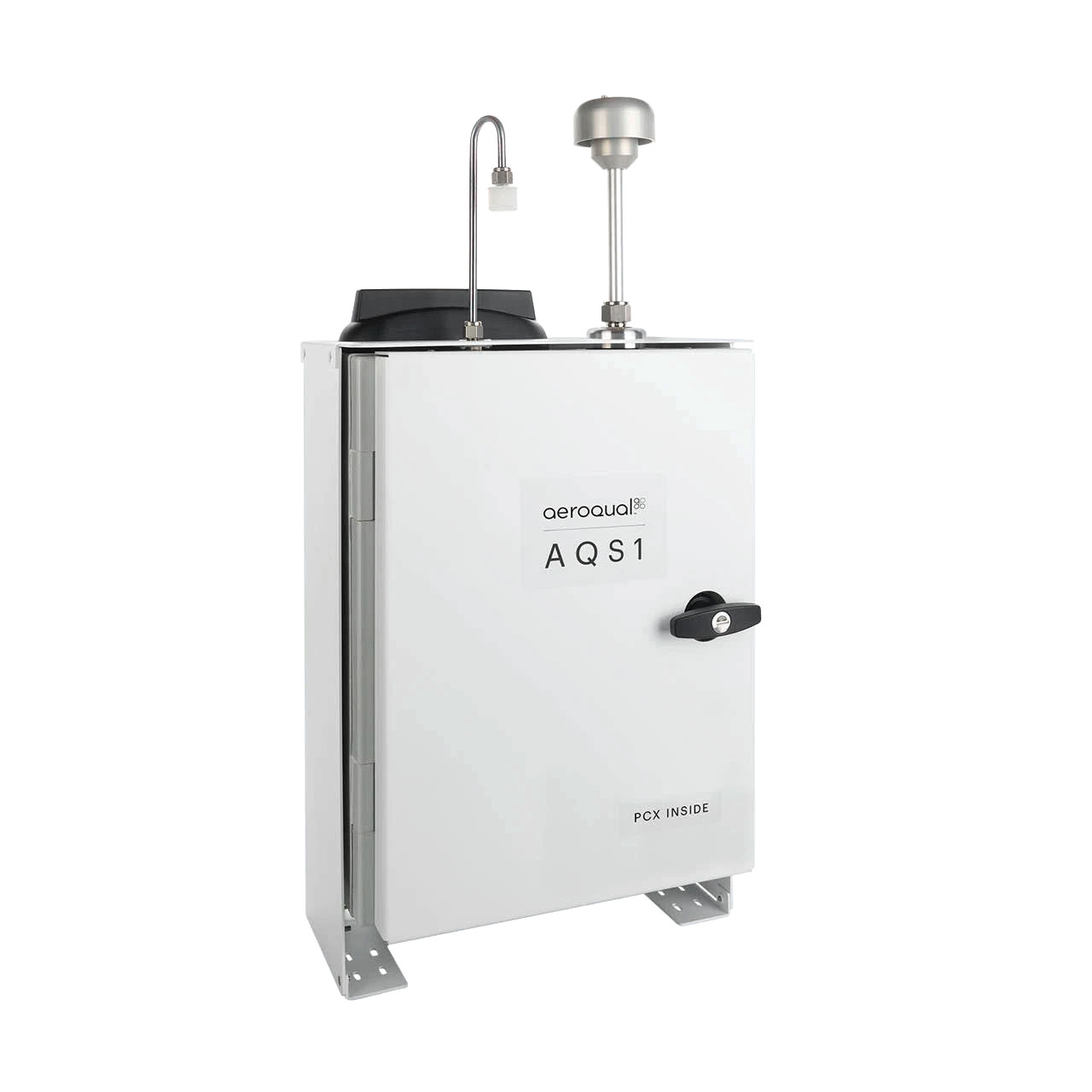
For ambient air quality monitoring applications, Specto Technology offers the Aeroqual Hydrogen Sulfide Analyzer Module, designed to provide highly sensitive, near-reference measurements of low-level H₂S concentrations.
The module is commonly deployed in perimeter air monitoring networks, community air monitoring programs, landfill monitoring projects, wastewater treatment facilities, and environmental impact assessments.
Unlike traditional electrochemical sensors, the Aeroqual H₂S module utilizes a patented Automatic Baseline Correction (ABC) system that combines an advanced electrochemical sensor with automated sample and zero cycling. This innovative approach continuously establishes a baseline measurement using a proprietary scrubber, delivering exceptional stability and accuracy for ambient monitoring applications.
Industrial Health & Safety Hydrogen Sulfide Monitoring
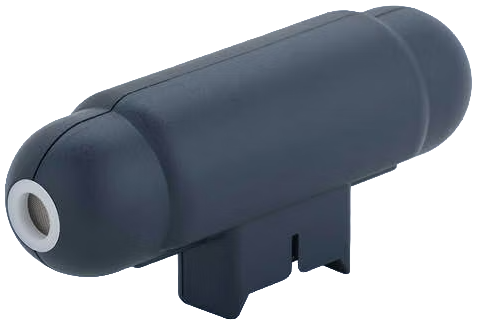
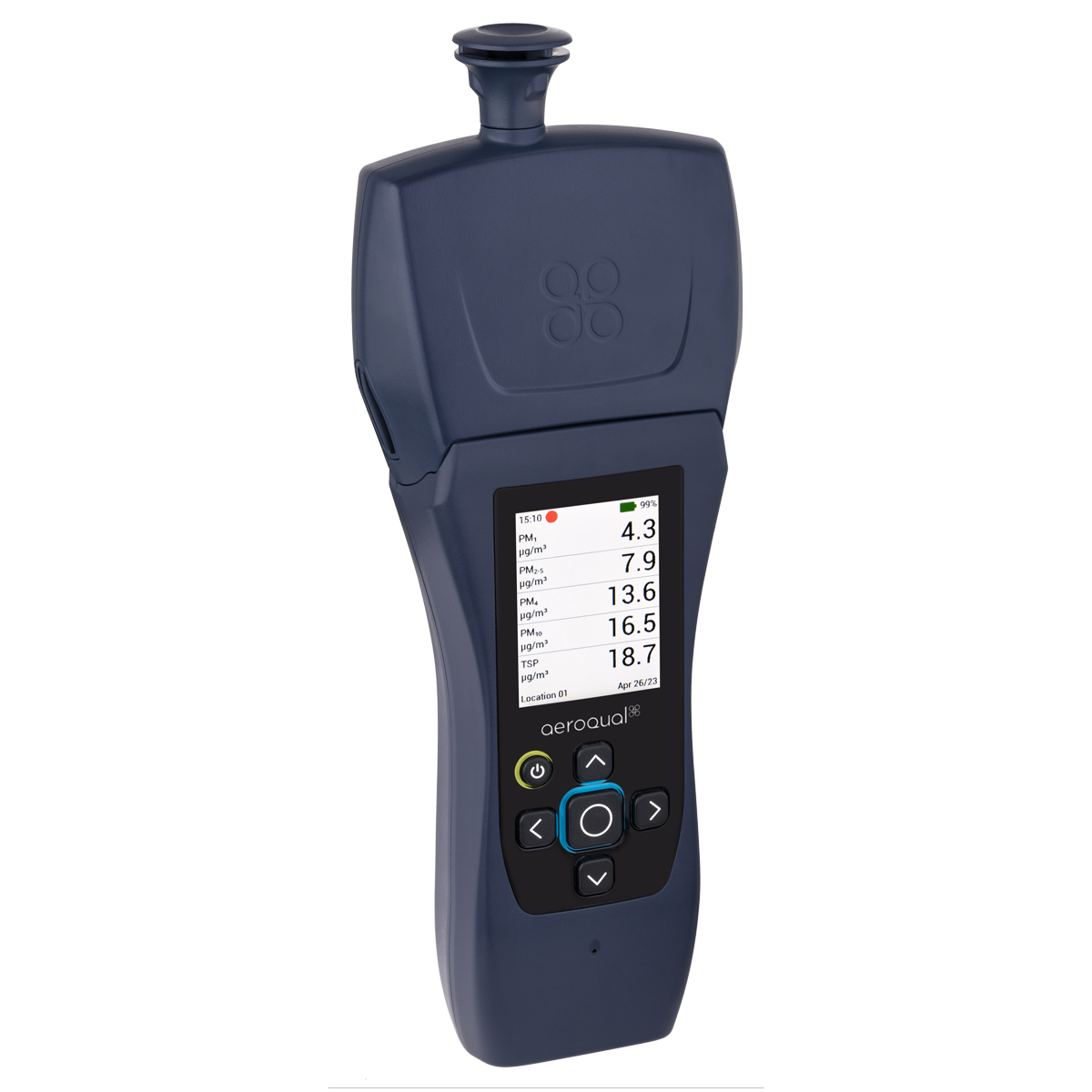
For occupational health and safety applications, Specto Technology offers interchangeable Aeroqual Hydrogen Sulfide sensor heads designed for portable, active sampling in industrial environments. These sensors allow users to monitor multiple gases using a single monitor base—simply swap sensor heads with no reconfiguration or recalibration required.
Hydrogen Sulfide Sensor – 0–100 ppm
Designed for portable worker exposure monitoring and industrial safety programs.
Key Features
- Range: 0–100 ppm
- Sensor Type: GSE
- Resolution: 0.1 ppm
- Minimum Detection Limit: 0.4 ppm
- Accuracy: <±0.5 ppm (0–5 ppm); <±10% (5–100 ppm)
- Response Time: 30 seconds
- Operating Conditions: 0 to 40°C, 15–90% RH
Typical Applications
- Industrial health and safety monitoring
- Wastewater treatment facilities
- Sewer maintenance operations
- Landfill gas monitoring
- Oil and gas facilities
- Chemical processing plants
- Pulp and paper mills
- Agricultural operations
- Confined space entry monitoring
Hydrogen Sulfide Sensor – 0–10 ppm
Built for environmental monitoring applications requiring greater sensitivity at lower concentrations.
Key Features
- Range: 0–10 ppm
- Sensor Type: GSE
- Resolution: 0.01 ppm
- Detection Limit: 0.04 ppm
- Accuracy: <±0.5 ppm (0–0.5 ppm); <±10% (0.5–10 ppm)
- Response Time: 30 seconds
Typical Applications
- Environmental air monitoring
- Odor investigations
- Community air quality monitoring
- Research applications
- Ambient monitoring studies
Compatible with Aeroqual Ranger, Series 500, and Series 900 monitor platforms.
Right tool. Right job. Trusted expertise.
Aeroqual sensors are housed in interchangeable sensor heads, allowing users to select from up to 30 different gas and particle sensors on a single monitor platform. Specto Technology helps you choose the most appropriate sensor technology—GSE, GSS, or ambient modules—based on your application, concentration range, and monitoring objectives.
With Specto Technology, you gain more than equipment—you gain a knowledgeable partner committed to safer workplaces and cleaner air.
Understanding Hydrogen Sulfide
Hydrogen Sulfide (H₂S) is a colorless, highly toxic gas recognized by its characteristic “rotten egg” odor. It is commonly generated through the breakdown of organic matter in the absence of oxygen and is frequentlyencountered in wastewater treatment facilities, landfills, oil and gas operations, industrial manufacturing, pulp and paper processing, and agricultural applications.
While low concentrations of hydrogen sulfide can produce a strong odor, higher concentrations can rapidly impair the sense of smell, making the gas particularly dangerous because workers may no longer be able to detect its presence. Exposure to elevated H₂S levels can cause eye, nose, and throat irritation, respiratory distress, loss of consciousness, and, in severe cases, death.
Hydrogen sulfide is also a significant nuisance odor pollutant and is regulated in many jurisdictions worldwide due to its impact on community air quality and public health. Although H₂S is not one of the six criteria pollutants regulated by the U.S. EPA, many state, provincial, and local agencies have established ambient air standards and monitoring requirements.
Accurate hydrogen sulfide monitoring is essential for protecting workers, surrounding communities, and the environment while supporting compliance with project-specific monitoring requirements.
Why Monitor Hydrogen Sulfide?
Hydrogen sulfide emissions can originate from:
- Wastewater treatment plants
- Sewer networks and lift stations
- Landfills and waste management facilities
- Oil and gas production sites
- Agricultural and livestock operations
- Pulp and paper mills
- Industrial manufacturing facilities
- Composting operations
Continuous and portable H₂S monitoring helps:
- Protect worker health and safety
- Detect leaks and elevated concentrations early
- Manage nuisance odor complaints
- Support environmental compliance programs
- Demonstrate regulatory compliance
- Protect nearby communities from exposure
- Provide real-time data for informed decision-making
Specto Technology partners with Aeroqual to deliver reliable hydrogen sulfide monitoring solutions for both ambient environmental monitoring and industrial health and safety applications.
Ambient Hydrogen Sulfide Monitoring
Aeroqual Hydrogen Sulfide (H₂S) Module – 0–5 ppm
For ambient air quality monitoring applications, Specto Technology offers the Aeroqual Hydrogen Sulfide Analyzer Module, designed to provide highly sensitive, near-reference measurements of low-level H₂S concentrations.
The module is commonly deployed in perimeter air monitoring networks, community air monitoring programs, landfill monitoring projects, wastewater treatment facilities, and environmental impact assessments.
Unlike traditional electrochemical sensors, the Aeroqual H₂S module utilizes a patented Automatic Baseline Correction (ABC) system that combines an advanced electrochemical sensor with automated sample and zero cycling. This innovative approach continuously establishes a baseline measurement using a proprietary scrubber, delivering exceptional stability and accuracy for ambient monitoring applications.
Industrial Health & Safety Hydrogen Sulfide Monitoring
Portable Aeroqual Hydrogen Sulfide Sensors (Handheld) For occupational health and safety applications, Specto Technology offers interchangeable Aeroqual Hydrogen Sulfide sensor heads designed for portable, active sampling in industrial environments. These sensors allow users to monitor multiple gases using a single monitor base—simply swap sensor heads with no reconfiguration or recalibration required.
Aeroqual Hydrogen Sulfide Sensor – 0–100 ppm (GSE Technology)
Designed for portable worker exposure monitoring and industrial safety programs.
Key Features
- Range: 0–100 ppm
- Sensor Type: GSE
- Resolution: 0.1 ppm
- Minimum Detection Limit: 0.4 ppm
- Accuracy:
- < ±0.5 ppm (0–5 ppm)
- < ±10% (5–100 ppm)
- Response Time: 30 Seconds
- Operating Temperature: 0 to 40°C
- Relative Humidity: 15–90%
Typical Applications
- Industrial health and safety monitoring
- Wastewater treatment facilities
- Sewer maintenance operations
- Landfill gas monitoring
- Oil and gas facilities
- Chemical processing plants
- Pulp and paper mills
- Agricultural operations
- Confined space entry monitoring
Hydrogen Sulfide Sensor – 0–10 ppm (GSE Technology)
Built for environmental monitoring applications requiring greater sensitivity at lower concentrations.
Key Features
- Range: 0–10 ppm
- Sensor Type: GSE
- Resolution: 0.01 ppm
- Detection Limit: 0.04 ppm
- Accuracy:
- < ±0.5 ppm (0–0.5 ppm)
- < ±10% (0.5–10 ppm)
- Response Time: 30 Seconds
Typical Applications
- Environmental air monitoring
- Odor investigations
- Community air quality monitoring
- Research applications
- Ambient monitoring studies
Compatible with Aeroqual Ranger, Series 500, and Series 900 monitor platforms.
Flexible Sensor Technology. Purpose-Built Solutions.
Aeroqual sensors are housed in interchangeable sensor heads, allowing users to select from up to 30 different gas and particle sensors on a single monitor platform. Specto Technology helps you choose the most appropriate sensor technology—GSE, GSS, or ambient modules—based on your application, concentration range, and monitoring objectives.
Right tool. Right job. Trusted expertise.
With Specto Technology, you gain more than equipment—you gain a knowledgeable partner committed to safer workplaces and cleaner air.