
When you buy a vibration monitor you’re not just buying hardware, you’re buying custody of the data. That custody determines whether your vibration records are legally defensible, immediately accessible, and compliant with regulatory retention requirements.
The difference comes down to two design philosophies: Cloud-Optional and Cloud-Only systems. Understanding that split is the key to maintaining true vibration monitor data ownership.
In construction and environmental monitoring, data ownership isn’t a marketing line. It’s a compliance requirement. If a vibration monitor can’t operate, store, or export data without a vendor’s cloud service, you don’t own your data. You rent access to it.
A Cloud-Optional system, on the other hand, logs data locally, transmits when you choose, and lets you manage backups independently. That flexibility keeps you compliant with regulatory record-keeping mandates, contract obligations, and IT security policies.
Our clients (especially those working under DOT, transit, or federal contracts) overwhelmingly choose Cloud-Optional configurations for one simple reason: control.
Cloud-Only: Convenience That Comes With Strings
Cloud-Only systems were designed for convenience: instant dashboards, automatic reporting, zero setup. They’re appealing until you need to defend or relocate the data.
The risks come fast once a project ends or a service lapses.
- Access control: You can’t log in if the vendor account expires.
- Chain of custody: Data sits on third-party servers, often overseas, with unclear legal jurisdiction.
- Audit gaps: Some platforms purge data automatically after a retention period. Once it’s gone, it’s gone.
- Network dependence: If the modem or service goes offline, data stops — not just uploads, but recording itself on certain systems.
If you’re subject to agency audits, these limitations aren’t theoretical. Missing or inaccessible records can trigger re-testing, payment holds, or even contract penalties.
Cloud-Optional: Immediate Access, Full Control
A Cloud-Optional vibration monitor is built to run autonomously. It records to internal memory continuously, even if the cellular connection fails. When a connection is available, it can upload automatically or push data via FTP to your own secure server.
That simple architectural difference protects your compliance position. You hold the master copy, not a vendor.
Key advantages include:
- Data independence: Local storage and direct exports (WAV, CSV, or PDF) mean you can produce evidence instantly during audits.
- Custom retention: Store results under your company’s IT policy, not a vendor’s deletion schedule.
- Offline resilience: Monitoring continues during outages; nothing is lost.
- Security alignment: Meets internal cybersecurity requirements for sensitive or government work.
For many projects, that independence is the deciding factor in pre-qualification. Agencies increasingly require proof that data can be stored, retrieved, and verified locally.
The Compliance Connection
Every vibration monitoring specification references record retention, typically six months to three years depending on jurisdiction. But few specify where that data must reside. Cloud-Only platforms satisfy convenience but not necessarily legal possession.
If your firm is responsible for certifying or signing reports, you must retain raw data and processed results under your direct control. This is what inspectors mean when they ask for “data provenance.”
A compliant workflow looks like this:
- Data recorded locally and mirrored to secure internal storage.
- Cloud access used for viewing, reporting, or alerts — not as the sole archive.
- Verification that each event file (time history) remains intact and traceable to its original device ID.
Why Cloud-Optional Works Best
Specto often configures hybrid deployments — cloud access for visibility, local logging for retention — bridging both models. The key is transparency: all parties must know who holds the master data and how long it will be preserved.
If your project involves environmental, noise, or air quality monitoring in addition to vibration, see how Specto’s multi-parameter monitoring setups integrate these data streams under a single secure framework.
The Real Cost of Data Loss
Replacing a lost or inaccessible dataset isn’t just an inconvenience; it’s a financial liability. Re-monitoring a completed phase can cost thousands in mobilization, labor, and reporting. Worse, missing data may prevent claim defense when nearby property owners allege damage.
Maintaining ownership ensures that every waveform, exceedance, and report can be reproduced on demand. In the world of vibration compliance, reproducibility equals credibility.
The Bottom Line
Cloud dashboards make monitoring easy until access ends, the network drops, or an auditor asks for proof. True compliance isn’t about where you view your data; it’s about who controls it. A cloud-optional vibration monitoring system gives you that control by keeping the full record, meaning every waveform, every exceedance, and every report is under your direct custody.
Owning your data means owning your compliance posture. It ensures that when projects close, vendors change, or regulations tighten, your evidence remains intact, accessible, and defensible.
If you’re building or updating a monitoring workflow and need to balance automation with long-term data control, contact Specto Technology. Our engineers can help you design a cloud-optional vibration monitoring setup that satisfies IT security, regulatory retention, and day-to-day reporting. All without surrendering ownership.
-
Air-Overpressure Add-On: What’s Coming
-
Buried Geophones: When You Need Them
-
FTP Push for DoD & Sensitive Sites
-
Why Class-1 Certification Matters for Credibility
-
Solar Powered Vibration Monitoring on Urban Jobs: Do’s & Don’ts
-
Months-Long Vibration Monitoring: Battery Truths from the Field
-
Cloud Optional vs Cloud Only: The Compliance Risk No One Mentions
-
Five Vibration Monitor Installation Mistakes That Ruin PPV Data
-
Methane (CH₄) Monitoring with Aeroqual AQS 1 & AQM 65
-
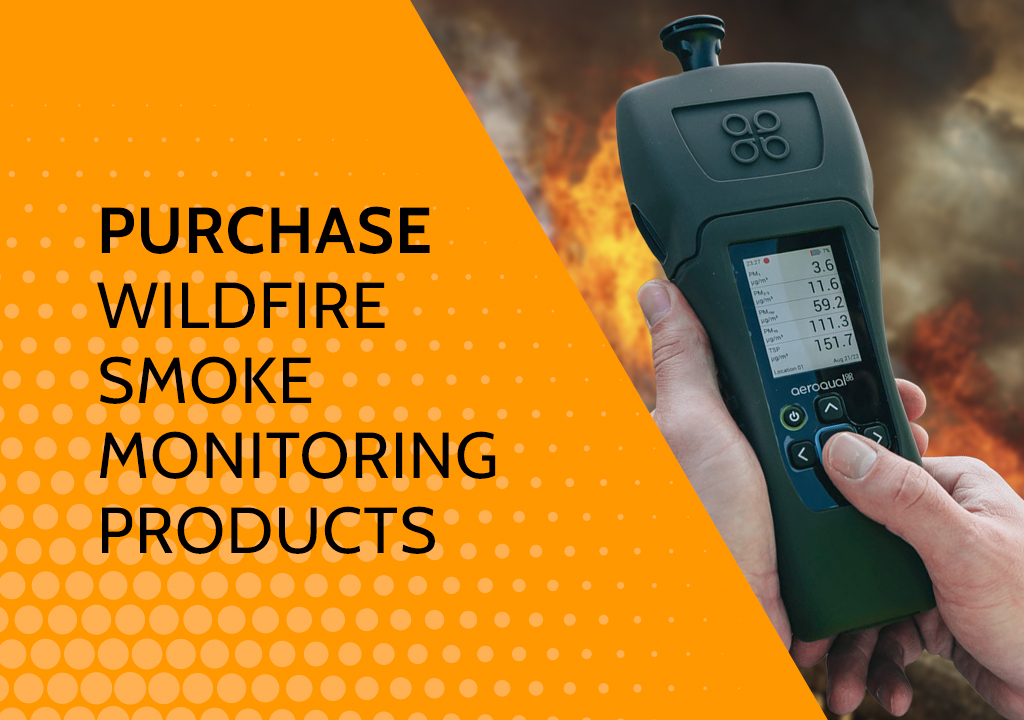 Purchase Wildfire Smoke Monitoring Products